




Waking up with a red, swollen joint—often the big toe—can feel like a fire under the skin. For those living with gout, this sudden pain stems from high uric acid levels, which form crystals in joints. The culprit? Purines, compounds broken down into uric acid. Many assume low-purine means bland, tasteless meals, but that’s far from the truth. From zesty breakfasts to savory dinners, delicious options exist that keep uric acid in check. Let’s explore how to eat well while managing gout.
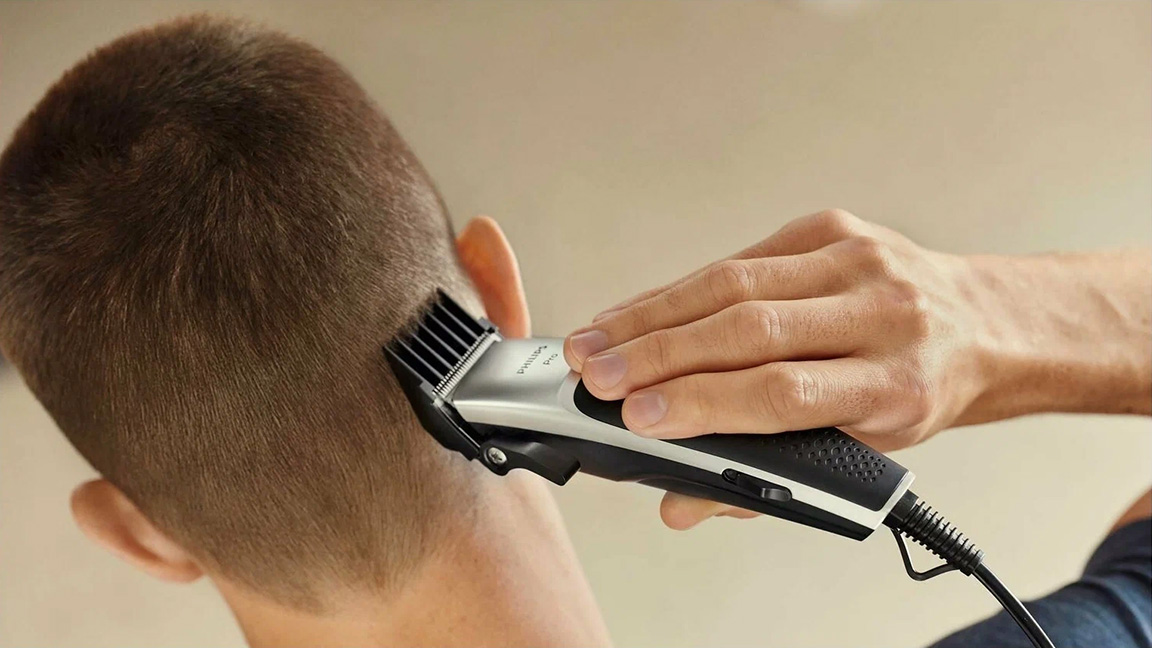

Every morning, countless people stare at bathroom mirrors, noting another handful of hair in the drain or a widening part. For some, this daily ritual sparks anxiety about aging or self-image—but hair loss alone doesn’t mean a hair transplant is necessary. So who truly benefits from this procedure? Let’s break down the key factors that define a good candidate, moving beyond marketing hype to medical reality.
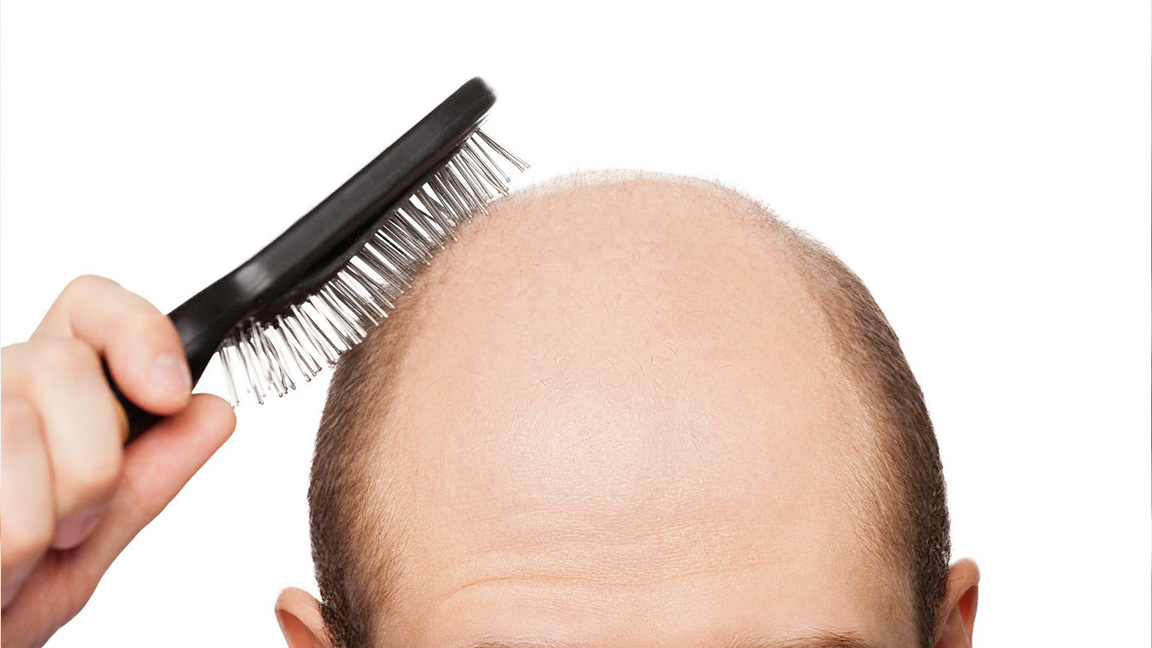
Hair loss affects millions globally, often triggering frustration when traditional treatments like topical solutions or supplements fall short. For those seeking lasting results, hair transplants offer a viable option—but choosing between Follicular Unit Extraction (FUE) and Follicular Unit Transplantation (FUT) can feel overwhelming. This guide breaks down their key differences to help you decide which method aligns with your needs.
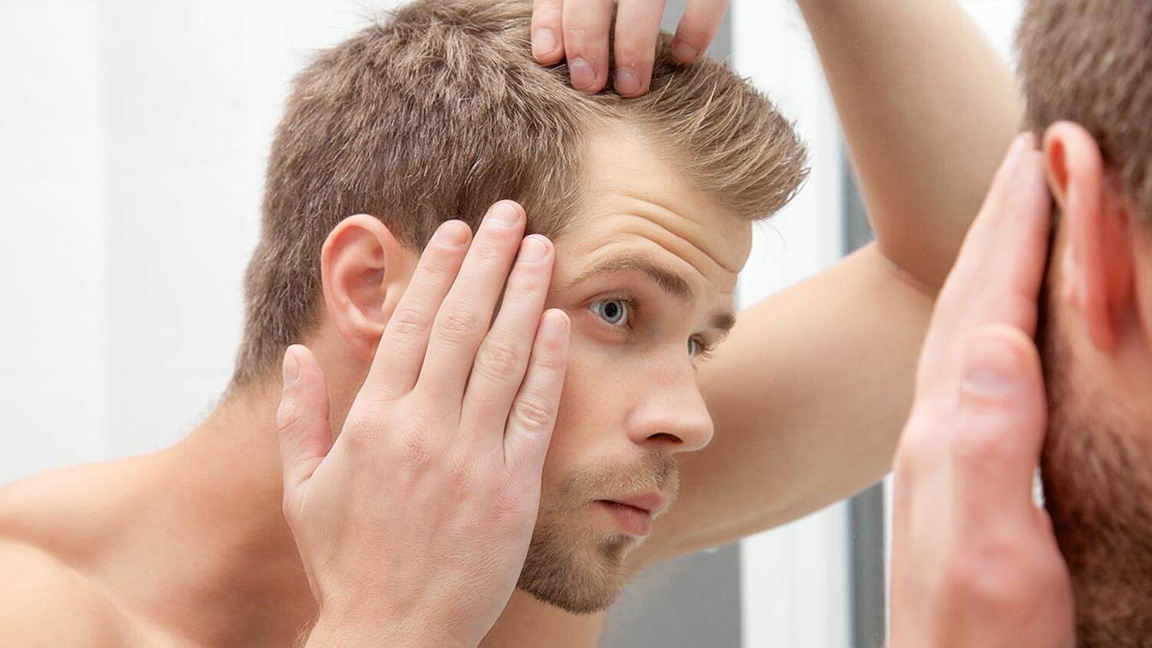
For anyone considering hair transplant surgery, one question consistently rises to the top: *Will the results last?* It’s a valid concern—hair loss can feel like an ongoing battle, and investing in a solution that fades over time feels defeating. The good news? Modern hair transplants are designed for durability, but their longevity depends on science, technique, and care. Let’s unpack what determines how long your results might endure.